Blog / Little Rock Ford Service

Blog

All Little Rock Ford Service Little Rock Ford Dealer Crain Ford of Little Rock Things to do in Little Rock Ford Models Crain Ford of Little Rock Service Ford Technology Ford Comparisons Little Rock Used Cars Ford Commercial Vehicles Ford Mobile Service Ford Performance Vehicles Crain Buys Cars Finance Ford Accessories Ford EVs Ford F-150 Ford News
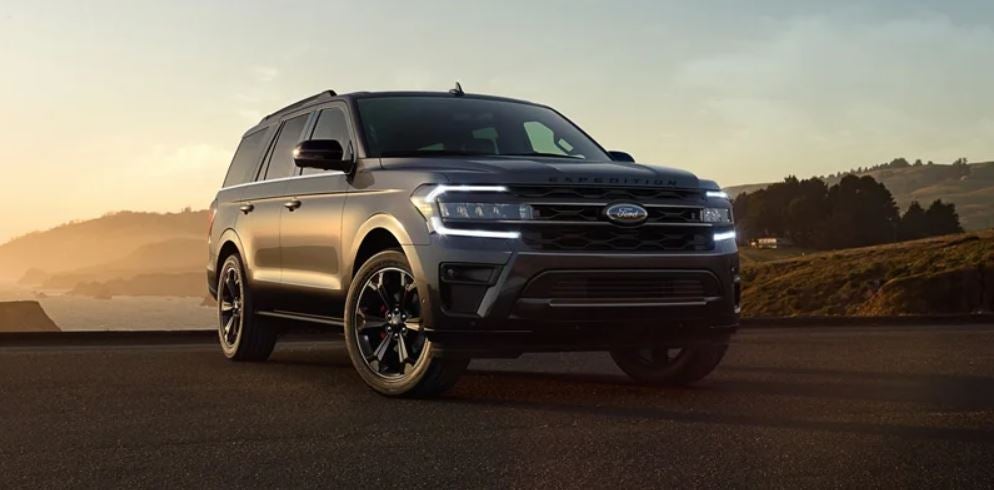
Front view of a gray 2022 Ford expedition parked with trees in the background. | Ford service center in Little Rock, AR.

5 Engine Problems You Should Always Get Fixed at Your Ford Dealer

Without its engine, your car wouldn't really be your car anymore, so it makes sense to be vigilant about its health. However, acting on engine issues can sometimes be overwhelming, especially if you're worried about big repair bills. The good news is that by promptly getting your car to the Ford dealer, you can prevent small engine problems from turning into big ones, so check out our list of signs that it's time to schedule a diagnostic check. 1. Overheating Your car has a variety of ways of letting you know when the engine is too hot, the most obvious being the temperature gauge and warning light on the dashboard. There are many potential causes for this, including problems with the coolant levels, thermostat, water pump, radiator, or cooling fan, but the important thing is getting it checked out before it seizes up. 2. Difficulty Starting If your car won't start, it could indicate a problem with the battery or alternator, or perhaps an issue with the fuel pump and ignition process. A malfunctioning catalytic converter can also affect the fuel-air ratio and make it difficult for the engine to turn over. 3. Stalling Sudden stalling of the car engine is the last thing that you want when you're navigating a busy or tricky piece of road and could signal issues with the fuel filter, fuel line, or spark plugs. There are other possible causes, but either way, it's important to get it checked out. 4. Odd Noises As the person who knows the sound of your car the best, you'll probably be the first person to notice that things might be awry under the hood. If the fuel in the engine cylinders is burning unevenly, it can cause knocking, a pinging or tapping sound that increases in volume as you accelerate. Other causes for concern include squeaking, rumbling, or unusual vibrations, which could indicate a worn timing belt or a host of other problems. 5. Leaks Pay attention to any puddles that form under your car on the driveway, as they really shouldn't be there. If the leak is an amber or dark brown color, then your engine has an oil leak, which could suggest a cracked engine block, poor oil filter, or malfunctioning pans, caps, or plugs. Alternatively, it might be coolant from a damaged radiator system or even gas. Any of these will affect the longevity and safety of your car. Your engine is filled with delicate precision instruments that might be difficult, expensive, or even impossible to fix if they get broken, so it really does pay to be vigilant and proactive. If you've noticed any of these issues, or just for the peace of mind of knowing that your car is in good shape, schedule a service at Crain Ford of Little Rock and let our trained mechanics give your car the best diagnosis and repair. Image via Ford.

A blue 2021 Ford EcoSport being driven onto the highway with a car in the lane beside it. | Ford dealer in Little Rock, AR.

How We Provide a Quality Collision Repair

Collision repair is a specialized service. It involves completely restoring a vehicle that's been involved in an accident. A vehicle that's been restored will be in the same condition as it was when it was originally purchased. This type of repair requires specialist training and equipment. As your Ford dealer in Little Rock, AR, we can provide quality repair for you. This is the procedure we will use to restore a car. Schedule a Repair This part of the process can vary depending on where you or your insurance are arranging the repair. Either you or your insurance company will contact us to schedule the repair. Visual Inspection Once your Ford has arrived at any of our three repair centers, one of our expert technicians will perform a visual inspection of your car. This inspection is videoed and thoroughly documented. This inspection will reveal the extent of the damage. The report will be used to produce the repair plan. Check-In While the inspection is underway, our customer service team will check your car in. If your insurance is handling the repair, we'll ask you for their details. Different insurance companies have different procedures, and we will work with your insurance to expedite the proceedings. If you would like a lift home, or you would like to rent a car, we can also help you with this. Disassembly Our skilled technicians will disassemble your Ford by removing any damaged parts. Removing these parts will allow our technicians to check the underlying structure for any signs of damage. Your insurance company may also send one of their representatives to examine the damage. Notification Once we've confirmed the full extent of the damage, we'll prepare a quote for the repairs. We will also send a copy to your insurance company if they arrange the repairs. Once we receive confirmation from either you or your insurance company, that we can proceed, we'll begin the repair process. Repairs All our technicians are Ford-trained, which makes them experts in repairing any Ford vehicle. We only use genuine Ford parts in all repairs to ensure the highest standard of quality. In addition, we have the most up-to-date technology available to ensure that all repairs meet Ford's high-quality standards. Quality Control Once the repairs are complete, our quality control team will reexamine your car. They will check the repairs have been completed according to the standards set by Ford. Collection We'll let you know that your car is ready for collection. Once you've confirmed that you're happy with the repairs, you'll drive off in a perfectly restored car. If you need any repairs to your Ford, call the experts at Crain Ford of Little Rock. Image via Ford.

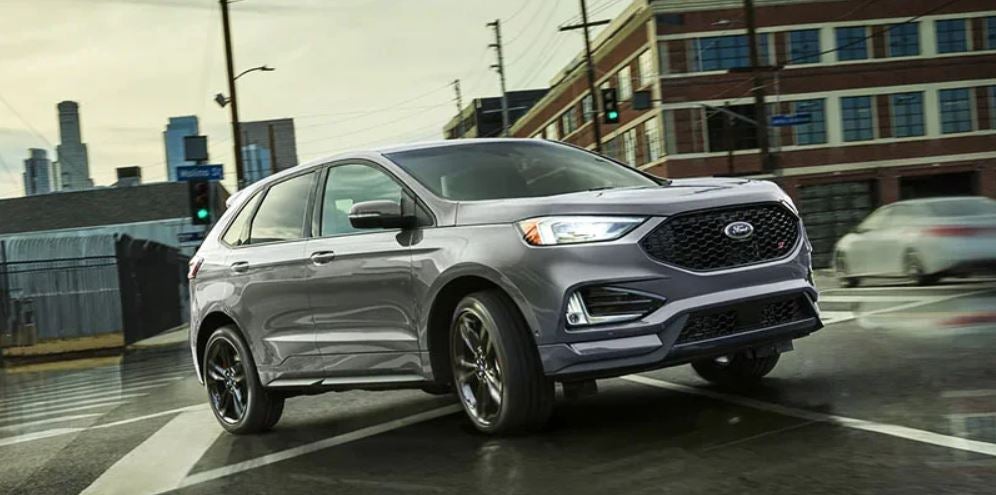
A silver 2022 Ford Edge parked in a parking lot. | Ford dealer in Little Rock, AR.

3 Signs You Need a Transmission Repair at Your Ford Dealer

Your Ford's transmission is probably the hardest working component in your car. Its purpose is to convert the chaotic power of the engine into a manageable form to move your car. The gear system built into the transmission ensures that your wheels receive the right amount of power for the speed you desire. The constant demand placed on the transmission means that you may need a transmission repair. As your Ford dealer, we can repair it for you. Slipping Gears One of the signs of a transmission problem is slipping gears. When your car is in gear, it should shift into another gear only if the transmission computer shifts it or you shift it manually. If you have slipping gears, the transmission can suddenly shift into another gear without warning. This is a dangerous and stressful situation, especially if it occurs when you're accelerating or overtaking another vehicle. In an automatic transmission, the gear will usually slip back into the previous gear, while manual transmission will slip into neutral. The randomness of gear slipping makes it dangerous to drive your car as you don't have complete control over it. We advise you to park your car and call our service department ASAP. Our highly-trained technicians will examine your transmission and fix the cause of the problem. Leaking Fluid Your transmission is an extremely hot place due to the constant movement of hundreds of moving parts. Transmission fluid helps to reduce the temperature by cooling the hot parts. It also provides a friction barrier between gears and other components to prevent damage. Unlike engine oil, transmission fluid isn't consumed by your car. This means a low level of fluid must be caused by a leak. The three most common places transition fluid leaks are the transmission pan gasket, the transmission cooler lines, and the transmission seals. None of these places are easy to check at home. You can, however, test for a leak by placing a large piece of cardboard underneath your car overnight. If the cardboard has red splotches on it, you have a transmission leak. Our technicians will find and fix the leak. Burning fluid The transmission fluid is bright red and sweet-smelling. As it flows through your transmission, it will accumulate clutch debris, dirt, and even rust particles. All of this junk is absorbed by the fluid, and this makes it slower and thicker. Thick, slow transmission fluid doesn't work effectively, and it loses some of its heat resistance properties. We regularly change your transmission fluid according to your service schedule to prevent this. If the transmission fluid isn't changed, the old fluid can get very hot and start to burn. Burning transmission fluid isn't sweet-smelling, it smells like burning rubber. If you smell this, it's time to see us for a transmission flush and fluid replacement. Most transmission problems can be resolved by prompt action. Call us at Crain Ford of Little Rock, and our experts will fix the problem for you. Image via Ford.

A woman walking beside a red 2021 Ford Mach-E parked on the street. | Ford service center in Little Rock, AR.

4 Benefits of Replacing Your Car Air Filter

A car air filter prevents dust, road dirt, and debris from reaching the engine. When you regularly replace your car's old and dirty air filter with a new one at your Ford dealer, you will reap many benefits, including better gas mileage and reduced emissions. Best of all, your engine will last longer. 1. Better Gas Mileage If you want to spend less cash on gas, replace your car's dirty and clogged air filter with a new one, and we guarantee you will have to fill up less often at the pump. An air filter that is clogged up prevents clean air from flowing through to the engine, and your car makes up for it by guzzling more gas. A new air filter will increase the airflow to the engine, lowering your car's fuel consumption. Improve your gas mileage by asking your Ford technician to replace the filter. 2. Lower Emissions To avoid a lot of car trouble that will lead to costly repairs and to minimize your car's emissions, have your air filter replaced by your Ford technician regularly. When leaves, bugs, dust, and dirt block the air filter, not enough clean air can flow through, causing an improper air-fuel mixture. Deposits accumulate on the engine, a soot residue will foul the spark plugs, and your car will shake, vibrate, and idle roughly. You might even find it hard to start your vehicle, and in extreme cases, your vehicle will misfire. Fuel that is not burned properly might even cause black smoke to billow out of your exhaust. 3. Longer Engine Life An air filter's most important job is to keep dust and dirt, and other harmful contaminants that could damage components away from your engine. A clogged and dirty air filter causes poor engine performance, leading to poor gas mileage, loss of power, and increased emissions. Regularly replacing your car's air filter will make your engine last longer. When an air filter is new, the right amount of clean and fresh air flows through to the engine, ensuring optimal engine performance. 4. Increased Vehicle Performance If you want your Ford to perform at its best, your engine needs clean air. A dirty and clogged air filter will prevent the engine from running smoothly. You will hear all sorts of horrible noises coming from under the hood, from spluttering and popping sounds to coughing noises. Worse of all, your car will feel slow and sluggish when you step on the accelerator. To ensure your vehicle is performing optimally, stick to your service schedule. Your Ford technicians will replace your car's air filter at the factory-recommended intervals to avoid car troubles that could lead to expensive repairs and replacements. Replace your car's air filter regularly, and you will save money on gas, reduce your car's emissions, and your Ford will run smoothly and be a pleasure to drive. Contact Crain Ford of Little Rock today and schedule a maintenance appointment. Our qualified Ford technicians will thoroughly inspect your vehicle and ensure it performs at its best. Image via Ford.

A blue and a red Ford EcoSport driving beside each other on the highway. | Ford dealer in Little Rock, AR.

Car Overheating? Visit Your Little Rock Ford Dealer Today

Is your car overheating? Don't stress. The qualified and experienced technicians at your Ford dealer will quickly determine the cause and expertly fix your vehicle's overheating problem in no time at all. Signs Your Car is Overheating You will know your car is overheating when the engine temperature gauge is in the red. You will also hear a ticking sound coming from under the hood and might even get a whiff of leaking coolant or burnt oil. Your car will also overheat when there is not enough coolant and engine oil. Check under your car for telltale puddles to see if oil or coolant is leaking. If you see steam or smoke pouring out from under the hood, it indicates that the engine is getting too hot. Whatever is causing your car to overheat, contact your Ford technician immediately for assistance. The Causes of Overheating A wide range of issues cause overheating to occur. It could be anything from low coolant, a broken thermostat, and poor airflow to leaks in the cooling system, a malfunctioning radiator fan, and blocked hoses. When your car overheats, it's vital to get professional assistance. Ignoring overheating issues could lead to severe engine damage that will cost a bundle of cash to repair or replace. Contact your dealership ASAP to ask for help. What To Do When Your Car Is Overheating When you notice your car is overheating, avoid further damage with the following tips until your Ford technician fixes the problem. Turn Off the A/C and Turn On the Heat The moment you notice your car is overheating, switch off the air conditioner and turn up the heat. In doing so, you will pull the heat away from the engine. Pull Over When your car overheats, it's best not to drive any further. You need to stop in a safe place and switch your car off to allow the engine to cool down. Wait 15 minutes or so before you pop the hood to avoid being injured by the steam. Phone for Assistance While you wait for your car to cool down, phone your dealership for assistance. Watch the temperature gauge, and when the temperature is back to normal, you can pop the hood. Check the Coolant Level If the coolant is low, top it off. You still need to get your car to your Ford technician to get it checked out thoroughly. You don't want more damage to occur and fork out cash for costly repairs. Switch the Engine On Start the engine when the temperature is back to normal. Keep a watchful eye on the temperature gauge while driving to the dealership. If your car overheats again, pull over and contact your dealership to tow your vehicle. How To Prevent Your Car From Overheating Regular maintenance is essential to avoid overheating issues. That is why sticking to the factory prescribed maintenance intervals and relying on top-quality maintenance services are important. During a maintenance inspection, your Ford technician will check every system and component and ensure that all the fluids are topped off to the correct levels. During maintenance services, issues will be detected early, and major repairs will be avoided down the line. The maintenance schedule and the recommended maintenance intervals are in your vehicle's owner's manual, or you can speak to your Ford technician. When your Ford overheats, the best cause of action is to contact your dealership as soon as possible and allow a qualified Ford technician to determine what is causing the problem. Contact Crain Ford of Little Rock today. Our team of highly-trained Ford technicians will ensure that your vehicle is in excellent running condition. Image via Ford.

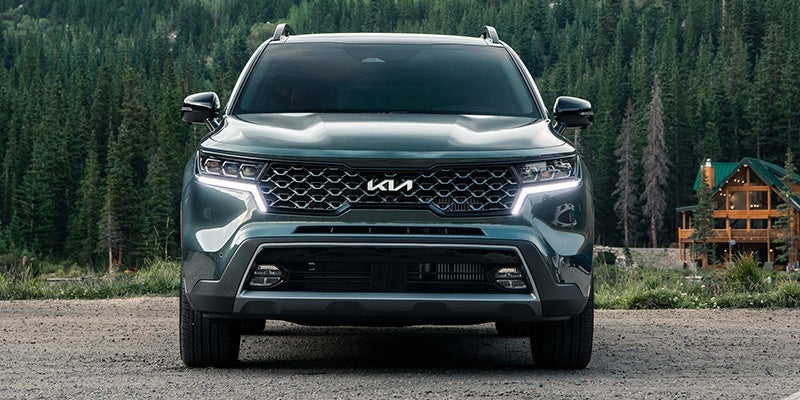
Front view of a dark turquoise 2022 Kia Sorento parked with the lights on in the woods. | Kia dealer on Little Rock, AR.

How Often Should You Get a Ford Safety Inspection?

After purchasing your new or used vehicle at the Ford dealer, the in-house technicians will invite you back to the service center for your annual car safety inspection. But is it necessary for you to attend this? And if so, is once a year a good interval? Today, we will have a closer look at when you should visit your dealership for car maintenance and why it's important to always work with qualified mechanics. How Often Is a Car Safety Inspection Necessary? Most Ford vehicles will run well if you come to the dealership once a year or every 10,000 miles for your maintenance appointment. However, we sell many models, including hybrid cars, which work differently from traditional ones. For this reason, it's best to check out your service manual or ask your local technicians about the optimal frequency of service. If you notice a problem with your vehicle, you shouldn't delay getting in touch with a qualified mechanic, even if your last service appointment is recent. Indications of serious issues could include strange sounds and smells, a change in the way your Ford drives, or one of the warning lights on your dashboard lighting up. What Are the Benefits of Such an Inspection? As the term "safety inspection" suggests, the main reason to visit your dealer and have your car serviced is to make sure the vehicle is still safe to drive. Every year, there are hundreds of thousands of accidents on US roads, and many of them occur due to a fault in a car's brakes or engine. By having your Ford checked out regularly, you are preventing serious or even life-threatening accidents. But your maintenance appointment also has other benefits. Small problems with your vehicle will be spotted early, which means that they won't develop into larger, more costly issues. In the long run, this saves you a lot of money. What's more, a great service record can significantly increase the resale value of your car, so you can trade it in or sell it on for more. nextpage Is the Ford Dealer the Best Place to Go? There are many mechanics in the local area, and you might be tempted to visit the closest or cheapest one. But in most cases, it's worth sticking to your brand-name dealership because the technicians there are trained to handle Ford vehicles. They will have the tools, replacement parts, and experience necessary to provide an excellent service. Additionally, many of their products and services include a warranty, which means you won't risk paying twice. Having your car inspected for safety issues is crucial because it can prevent accidents, prolong the life of your car, and help you retain its value. In general, visiting the dealership once a year is a good idea, but the requirements for your model might be slightly different. Call or email us now at Crain Ford of Little Rock in Little Rock, AR to book your first appointment with us. We can make sure you and your whole family will be safe on the road. Image via Ford.

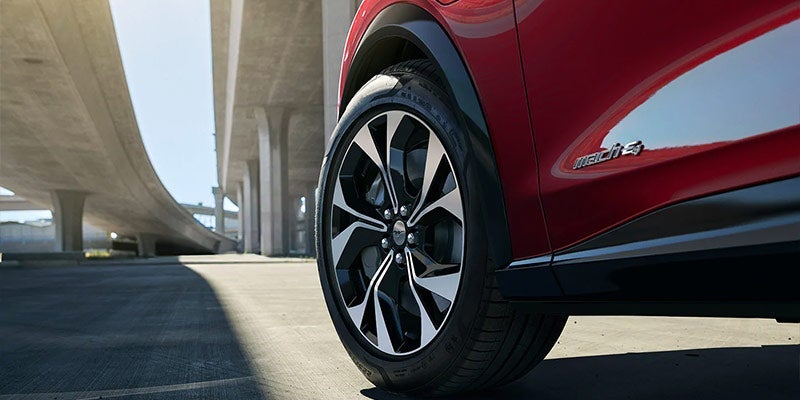
Close view of the front driver side tire of a red 2021 Ford Mach-E. | Ford dealer in Little Rock, AR.

Is It Time To Get New Tires From Your Ford Dealer?

When it comes to automobile maintenance, few things are as important as having the right tires. Although we tend to take our tires for granted, they play a vital role in our cars' performance and safety. Here are a few signs from your Ford dealer that you need new tires. 1. Uneven Tire Tread Your car's safety depends on the tread on your tires. Tires encounter huge amounts of pressure, heat, and abrasion. It's essential to check your tires regularly for safety and performance reasons. A tire with uneven tread wear is dangerous and should be replaced immediately. Uneven tread wear can be caused by improper inflation, a car out of alignment, or problems with the suspension. If your tires have uneven tread and are worn or dry-rotted, your vehicle may be dangerous to drive. 2. Worn Down Tires Car tires generate the traction that makes it possible for you to accelerate, stop, or turn. Tread helps tires grip the road and prevents hydroplaning. It's best to have your tires checked by a technician to avoid potential problems. It's also easy to determine if your tread is too low by running the penny test. With Lincoln's head pointing down, place a penny in the grooves between your tires' treads. When you can still see Lincoln's head, the tire tread is too shallow, and it's time to replace your tires. nextpage 3. Strange Noises and Vibrations If you start experiencing strange noises and vibrations, it could be your car tires. Your tires may be damaged, or your suspension or steering components could be worn. There are a lot of different issues that could be causing the noise or vibrations, but it's best to get them looked at by a mechanic to determine the cause. 4. Cracked Tires Making sure you have the right tires for your vehicle is critical. Tires should be replaced if they're cracked, bulging, or have other visual defects. In addition, if the car vibrates when you drive, the tire may be defective. Having defective tires on your vehicle puts you at risk for tire failure. The last thing you want is to be driving down the road and then have your car tire blow out. 5. Low Tire Pressure If you're constantly losing tire pressure, it's probably time to shop for tires. A drop in tire pressure may indicate a small leak, and you may need to patch or replace the tire. Most new Fords have a tire pressure monitoring system that will alert you to low tire pressure. The warning light illuminates if there is a significant underinflation of one of the tires. If you get a low tire pressure warning, it's a good idea to check your tire pressure or take the car to the dealer. Many signs can alert you that it's time to replace your tires. If you notice any of these problems, schedule a service appointment at Crain Ford of Little Rock. Image via Ford.

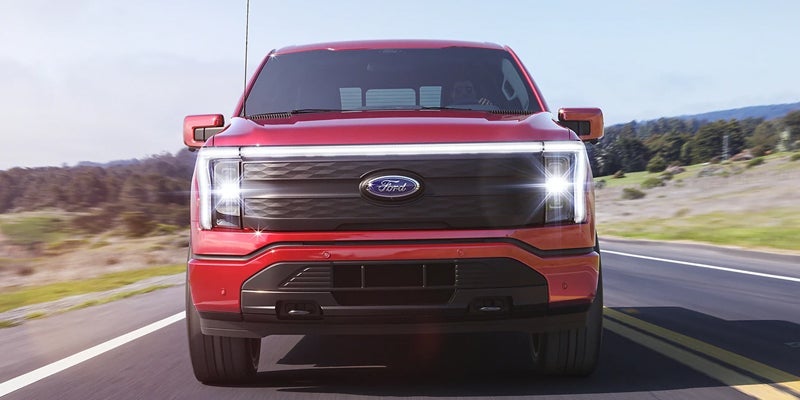
Front view of a red 2022 Ford F-150 Lightning with the headlights on being driven on the highway. | Ford dealer in Little Rock, AR.

4 Signs Your Ford Needs New Headlights

Your headlights keep you out of harm's way on the road, and they make sure other motorists are safe when you're driving, too. However, you'll eventually need new headlights, as they're one of the components that can wear out in your vehicle. Don't worry when it's time to replace your headlights, as your Little Rock, AR Ford dealer can take care of it for you. The signs below will let you know when it's time to stop by. 1. Your Headlights Stop Working Sometimes your headlights won't warn you that the end is near, and they'll simply stop working. They need to be replaced ASAP. You can't drive in dark conditions of any kind until you replace your headlights, so getting them replaced should be right at the top of your to-do list. Make sure you replace both headlights even if only one is dead. Having one new and one old headlight will lead to inconsistent brightness, as one may be brighter than the other. It's also more convenient to replace them together, as replacing individual headlights when they need it means you'll need to take more trips to the dealer. That can seriously disrupt your day. 2. Your Headlights Become Hazy Dirt, salt, and other contaminants can lead to your headlights producing yellowish or hazy light. This means you'll need to get a technician to clean your headlight covers in a cleanser designed for them. You shouldn't attempt to remove your headlight covers yourself, as you can easily slip up and damage them if you're not a professional. Sometimes cleaning your headlight covers won't do the trick to repair your hazy headlights. That's another reason you should let a professional take a look at your lights if they become hazy. You might need to replace your headlights entirely, so make sure you visit the dealer for all headlight cleaning and repair services. nextpage 3. Your Headlights Start Flickering Flickering headlights aren't always a sign that your headlights themselves need to be replaced. A faulty alternator or battery can make your headlights flicker, so you should get to a dealer as soon as possible. The dealer will check on all the parts that could be at fault. If you're having no other issues, then it's most likely just a problem with your headlights. However, if you're experiencing stalling, trouble with your other electronic accessories, or trouble starting, then it's most likely a problem that'll require a larger fix. 4. Your Headlights Are Dim Dimming headlights are a sign that they're almost ready to die completely. They've lived out their lifespan, so now it's time to get new ones before the lights burn out completely. Make sure to replace them as soon as you can, because you don't want to get caught in the dark when they burn out fully. Come by Crain Ford of Little Rock, and we'll replace your headlights fast. It's a simple process that won't take too long, so don't hesitate to get this service done today. Image via Ford.

Rear view of a 2021 Ford EcoSport being driven on the highway. | Ford Service in Little Rock, AR.

How to Tell When Your Ford Needs a Brake Repair

Are you wondering if your Ford needs a brake repair? It can be difficult to tell. However, the best way is by taking note of the warning signs of worn brakes. Read on as we discuss several signs that indicate you need to have your brakes checked and repaired at your Ford dealer in Little Rock, AR. Signs You Need Brake Repair at Your Little Rock, AR Ford Dealer Squealing Noise A constant high-pitched screech is typically the sound made by a built-in wear indicator signaling that new brake pads are needed. As the pads wear down over time, a small metal tab comes into contact with the rotor surface and produces that high-pitched noise. If you hear this, heed this sign and bring your car to your local dealer to have the brakes checked and repaired. Vibration When Braking The most frequent cause of brake pedal vibrations is because a brake rotor — the rotating disc against which the brake pads are pressed by the calipers to decelerate the wheel — is irregularly worn, or "warped," as some refer to it. If you are experiencing brake vibrations, you should have your brakes properly inspected by a professional at your local dealer. Leaking Fluid Brake fluid is an essential component of the braking system. It's used to generate hydraulic pressure against the brake caliper, allowing the vehicle to come to a safe stop. If your vehicle doesn't have any brake fluid, you essentially won't be able to do so. Check your car's brake fluid levels regularly, and if you notice a steep decline in the fluid level, you must visit your local dealer and have your car checked, as you may have a leak. nextpage Soft Brakes The most probable explanation of a soft or spongy brake pedal is air in the brake line. If air gets into the brake lines, it can hinder the braking fluid from circulating properly, resulting in a spongy or soft brake pedal. If you are experiencing this while you're driving, it's prudent to have your brakes checked by a professional at your local service center so that this issue can be resolved before it compromises your safety. Burning Odor A pungent chemical odor is a sign that the brakes are overheated. If you notice this, you must pull over to a safe location and allow the brakes to cool off before driving again. Make sure the parking brake isn't engaged as well. If you notice any smoke coming from a wheel, there's a good chance that the brake caliper is malfunctioning and is stuck in position. In this scenario, you must stop driving and have this repaired as soon as possible. It's important to know when your Ford needs its brake fixed so you can take the necessary course of action before a disaster strikes. You want the brakes on your car to function properly. Otherwise, they could cause an accident or injury. If you notice any of the symptoms discussed above, contact Crain Ford of Little Rock immediately for help with getting repairs done properly and quickly! Image via Ford.

A red 2021 Ford Escape with headlights on being driven on a road. | Ford dealer in Little Rock, AR.

6 Common Signs That Your Car Needs Radiator

It's essential to keep your car in good shape, but it can be difficult to tell if your radiator needs repair. You might not know the symptoms, which is why we're here! Don't worry, because this blog post will give you all the information you need about signs that your Ford needs a radiator repair at your Ford dealer in Little Rock, AR. 1) The Temperature Gauge Goes Up Quickly When Driving When your radiator is malfunctioning, the radiator fluid inside can't absorb heat as well as it should. This means that the radiator isn't cooling down enough, and if you don't fix it soon, your engine could overheat and cause some significant damage! If the temperature gauge goes up quickly while driving, then there's a good chance your radiator needs a repair. 2) You See Steam or Bubbles When You Turn the Car On The steam or bubbles happen when your car turns on because the radiator isn't being filled correctly. This means that water can't circulate throughout the system, and it needs a quick fix! It's essential to get this taken care of ASAP, so it doesn't lead to more significant problems for your car! 3) There Are Small Drops of Water Around Your Engine When your radiator is working as it should, the water levels will stay consistent. If there are tiny drops of water around your engine or under your car, then you should take it to a trusted repair shop and have them check out your radiator! nextpage 4) Your Car Is Leaking Coolant If you notice that your car is leaking coolant, it could be a sign that there's a leak in the hose. The great news is that this means you should take it to a repair shop and have them take a look at this problem. It might not be a radiator problem, but it's still something that needs to be taken care of as soon as possible! 5) Your Car Overheats Regularly It's important to keep your engine running smoothly. If you're constantly having issues with overheating, then it might be time for your radiator to be looked at. When the car has been sitting a long time, it's common for a ton of water to evaporate from the system. This means that you're losing coolant and need to get your radiator checked out soon! 6) There Is White or Green Foamy Fluid Around Your Radiator If there is white or green foam around the radiator, then you might have gotten some coolant into the engine and need to take it in for a repair. This is definitely something you should get looked at as soon as possible. It could lead to some severe problems if left alone! While your Ford engine may be in excellent condition, the radiator is another matter. If you are experiencing an issue with your radiator, call us today at Crain Ford Little Rock and schedule an appointment with our service team. We can help diagnose what needs to be done on-site or offer advice over the phone about how best to proceed depending on the situation. Image via Ford.

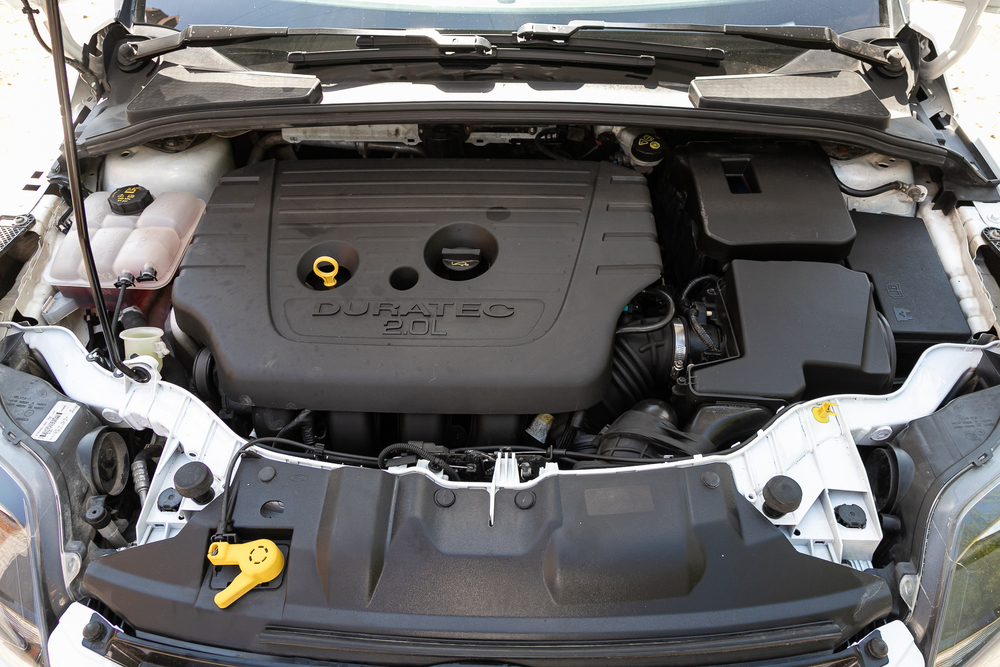
The hood open to show the engine of a vehicle. | Auto service in Little Rock, AR.

What Happens During a Routine Transmission Service?

So, your car starts to make a weird noise when you shift gears, and it's been slipping out of gear for the last few days. On top of that, your check engine light is on! You may have transmission issues, so it's prudent to visit your local Ford dealer in Little Rock, AR for routine transmission service as soon as possible. What Does Your Ford Dealer in Little Rock, AR Do During a Routine Transmission Service? We'll schedule your vehicle for service, and while this might seem like bad news it could be much worse. Although many drivers dread costly auto repairs, routine service could help prevent larger complications down the road. Here's what happens during a routine service: 1. Perform an Inspection First, we will help you to be as prepared for this as possible. We'll provide you with a list of all the parts and fluids that need to be changed during your visit. You can even find out how much the service will cost before you have to visit, to give you time to prepare. 2. Change the Transmission Fluid The fluid is what enables your transmission to transfer power from your engine to your wheels, so it's important that this fluid is in good condition. Over time, this fluid can become dirty and contaminated, so we will replace it with a new one. 3. Inspect the Drivetrain for Signs of Damage or Excessive Wear The drivetrain is made up of all the parts that transfer power from your engine to your wheels — this includes not only the transmission but also the driveshaft and axle. We will look for anything that could lead to further problems, such as loose bolts or worn-out parts. nextpage 4. All Appropriate Fluids Are Topped Off Your transmission fluid is just one of several fluids that need to be changed during your visit. Others include oil and brake fluid. We will also check all these fluids and top them off if necessary. 5. Check the Reverse Gear The reverse gear is important because it allows you to back up while your car is in motion. This protects not only the transmission but other parts of the car, too. We will make sure that all aspects of this gear are working correctly. 6. Inspect the Brake System We will check the brake system to see if there are any signs of damage, leaks, or excessive wear. If anything is out of the ordinary, we'll repair it right away so that you can continue safely on your way after service has been completed. Our service is designed to be quick and painless. You can keep up with your daily routine while we take care of the dirty work for you, which means less time in our waiting room! If this sounds like something that might interest you, stop by Crain Ford of Little Rock today or call us at 501-221-3673 for your service needs. Image via Pixabay.

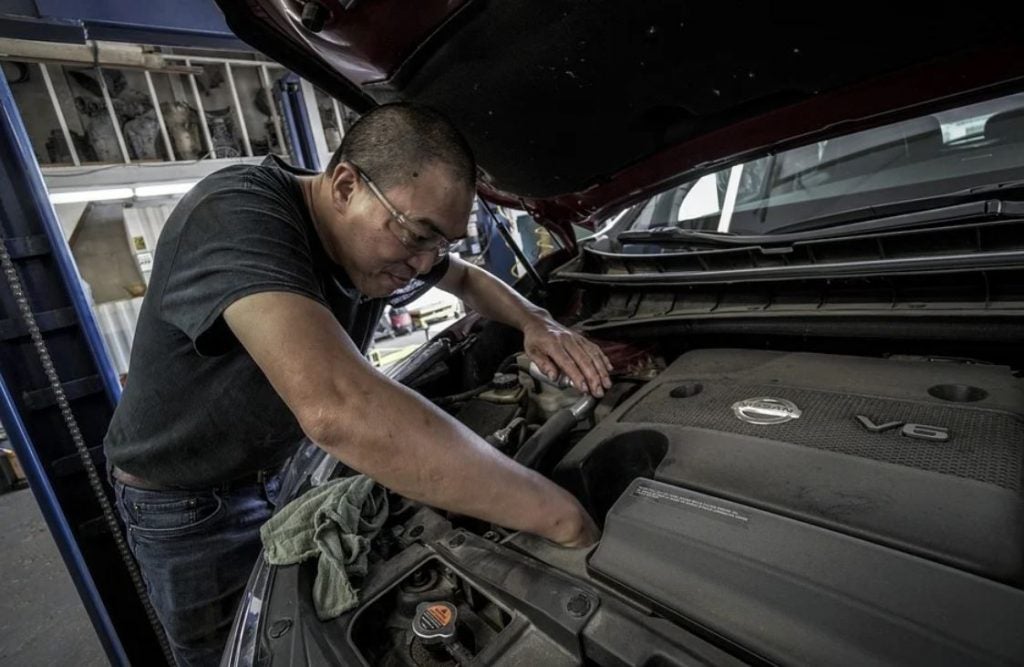
A service technician completing auto service under the hood of a vehicle. | Auto repair and maintenance in Little Rock, AR.

3 Things to Know About Your Ford Service Schedule

Every Ford model has a factory-recommended Ford service schedule with mileage intervals and the required maintenance needed to ensure optimal performance. To help Ford owners even further with scheduled maintenance, the Intelligent Oil-Life Monitor reminds drivers when an oil replacement is due. With regular maintenance, you will ensure that your Ford always performs at its best. 1. Engine Oil and Filter Replacement Intervals The oil in your Ford keeps the engine clean and well-lubricated. The Ford Company recommends an oil and filter replacement every 5,000 to 10,000 miles, depending on your driving style, road conditions, and your vehicle's engine type. If you operate your vehicle under severe driving conditions, more frequent oil and filter replacements are required. 2. The Intelligent Oil-Life Monitor (IOLM) Reminder The IOLM assists Ford owners by calculating precisely when an oil change is due. When the monitor reaches 5%, schedule an oil change at your Ford dealership. It's best not to wait until the IOLM counts down to 0% to avoid damage to the engine. The Ford technician will reset the IOLM after each oil and filter replacement. 3. Maintenance Intervals and Required Services The following factory-recommended service intervals and required inspections and replacements are general guidelines. Look in your owner's manual for the recommended service intervals for your Ford model, or speak to a Ford technician. nextpage 5,000-Mile Maintenance Interval Engine oil and filter replacement Tire inspection and rotation 10,000-Mile Maintenance Interval Engine oil and filter replacement Engine cooling system and hoses inspection Inspect and lubricate all non-sealed steering linkage Inspect and lubricate ball joints, and suspension joints Inspect and lubricate half and drive shafts and u-joints Exhaust system and heat shields inspection Inspect brake pads, rotors, and drums Inspect brake lines and hoses Parking brake system inspection Check wheel end play and turning noise Tire inspection and rotation 15,000-Mile Maintenance Interval Engine oil and filter replacement Transmission fluid level inspection Brake system inspection Engine cooling system and hoses inspection Inspect wheel ends for endplay and noise Inspect steering linkage and suspension Check driveshaft and ball joints Cabin air filter replacement Tire inspection and rotation 20,000-Mile and 25,000-Mile Maintenance Interval Engine oil and filter replacement Tire inspection and rotation 30,000-Mile Maintenance Interval Engine oil and filter replacement Brake system inspection Inspect wheel ends for endplay and noise Engine cooling system and hoses inspection Exhaust system inspection Steering linkage and suspension inspection Driveshaft and ball joints inspection Engine air filter replacement Fuel filter replacement Cabin air filter replacement Transmission fluid change Drive belt inspection Tire inspection and rotation 35,000-Mile and 40,000-Mile Maintenance Interval Engine oil and filter replacement Tire inspection and rotation 45,000-Mile Maintenance Interval The 30,000-mile maintenance services will be repeated Fluid replacements 50,000-Mile Maintenance Interval Engine oil and filter replacement Tire inspection and rotation 100,000-Mile Maintenance Interval The 10,000-mile maintenance services will be repeated Coolant replacement Spark plugs replacement Accessory drive belt inspection Cabin air filter replacement 150,000-Mile Maintenance Interval The 10,000-mile maintenance services will be repeated Coolant replacement Transmission fluid and filter replacement Timing belt replacement Front and rear axle lubrication Change transfer case fluid. Replace accessory drive belts The service schedule and IOLM help you keep your Ford running smoothly and on the road for longer. Visit Crain Ford of Little Rock today for an expert maintenance service performed by a trained Ford technician to ensure that your vehicle continues to be tough and reliable.

Contact Us

Fill out this form below and we'll contact you shortly
*Required Fields