

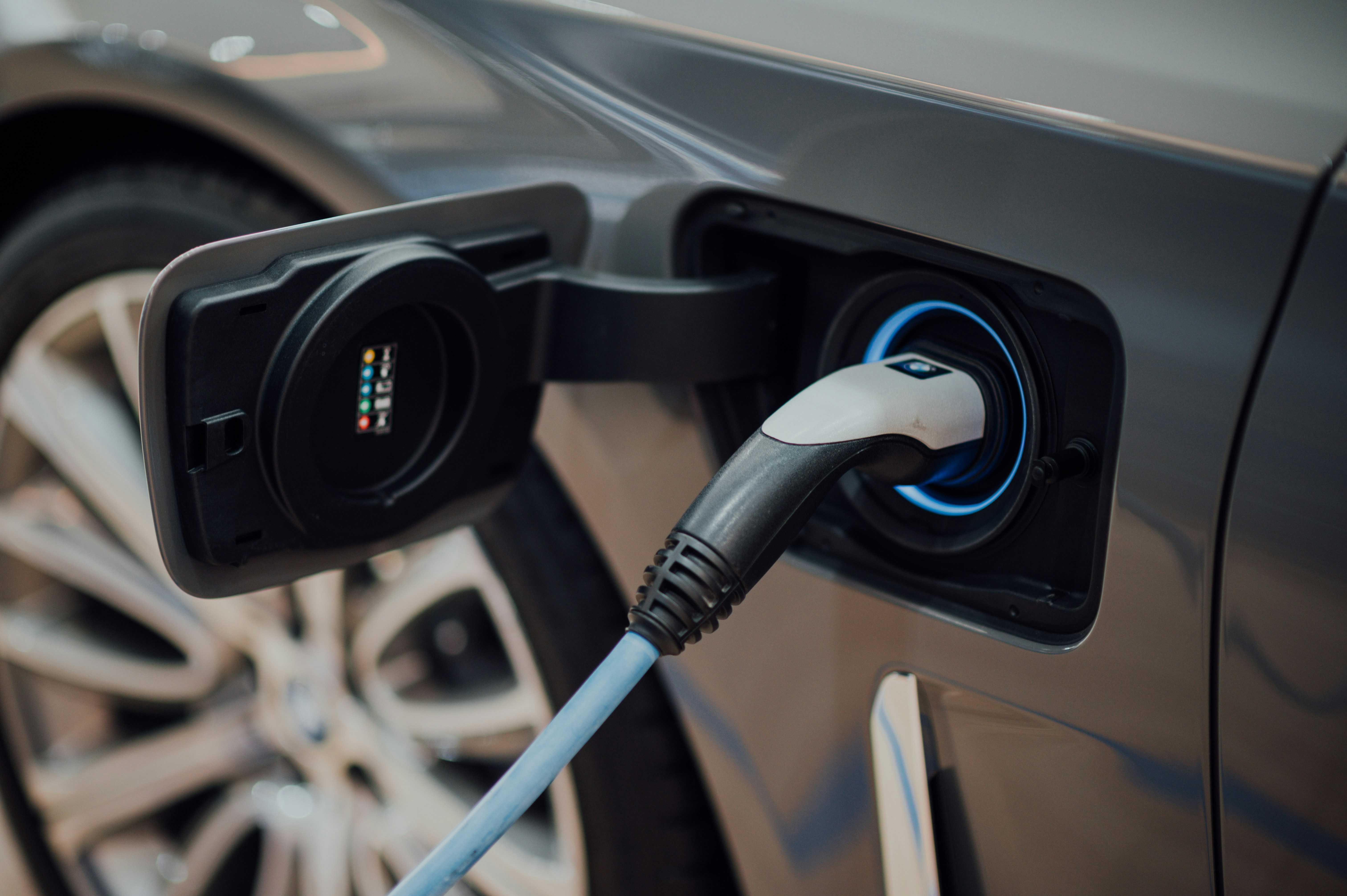
Electric vehicles (EVs) are no longer just a futuristic dream; they’re becoming a common sight on roads worldwide. However, for those new to the EV scene, understanding how to charge these vehicles efficiently and effectively can seem like a difficult task. In this guide, Crain Ford in Little Rock, Arkansas will help you explore the ins and outs of EV charging, from understanding EV charging stations to setting up a charging station at home.
Understanding EV Charging Stations
Imagine EV charging stations as the lifeline for your electric vehicle, similar to the charging cable for your smartphone or laptop. These stations provide the necessary electricity to replenish your EV’s battery, ensuring you’re always ready to hit the road. Much like traditional gas stations, EV charging stations are available as both public stations and at-home charging setups.
How EV Charging Stations Work
EV charging stations operate similarly to gas stations, with owners/operators charging a specific rate for providing electricity. Most stations charge by the kilowatt-hour (kWh), often priced per minute of charging. While rates may vary depending on location, the average cost typically ranges from $0.30 to $0.60 per kWh. Despite these costs, EV drivers can expect substantial long-term savings compared to traditional gasoline-powered vehicles, thanks to lower energy expenses and reduced maintenance needs, such as oil changes every 3,000 – 5,000 miles.
Finding EV Charging Stations
In the early days of EV adoption, finding charging stations was challenging. However, as EVs gain mainstream acceptance, the charging infrastructure has become bigger and more widespread. Now, a growing network of public charging stations spans across North America, making it easier than ever to find a station on your travels. Tools like the U.S. Department of Energy’s charging station map provide valuable assistance in locating these stations, helping EV drivers stay charged wherever they go.
Setting Up a Charging Station at Home
While public charging stations offer convenience on the go, having a charging station at home is essential for every EV owner. Home charging eliminates reliance on public stations and provides the convenience of overnight charging. Most EVs come with at-home charging equipment, available in two types: AC Level 1 (120-volt) and AC Level 2 (240-volt). While Level 2 chargers offer faster charging times, Level 1 chargers are often included as standard equipment with new EV purchases. The choice between the two ultimately depends on individual needs and preferences.
Choosing Your EV at Crain Ford in Little Rock
For those considering an EV purchase, Crain Ford in Little Rock, Arkansas, offers a range of options to suit your needs. With a dedicated team ready to assist, finding the perfect EV for your lifestyle is easier than ever. Plus, with the availability of federal tax credits for qualifying EV purchases, now is an ideal time to explore the world of electric vehicles.
Navigating the world of EV charging may seem difficult at first, but with the correct information and resources, it becomes a seamless experience. From understanding the workings of EV charging stations to setting up a home charging station, each step brings you closer to unlocking the full potential of electric vehicle ownership.
So, whether you’re just starting out on your EV journey or looking to upgrade your current vehicle, Crain Ford is here to help you make the transition smoothly and confidently.
Contact us today and let us help you find your new EV!
Connect with us


